





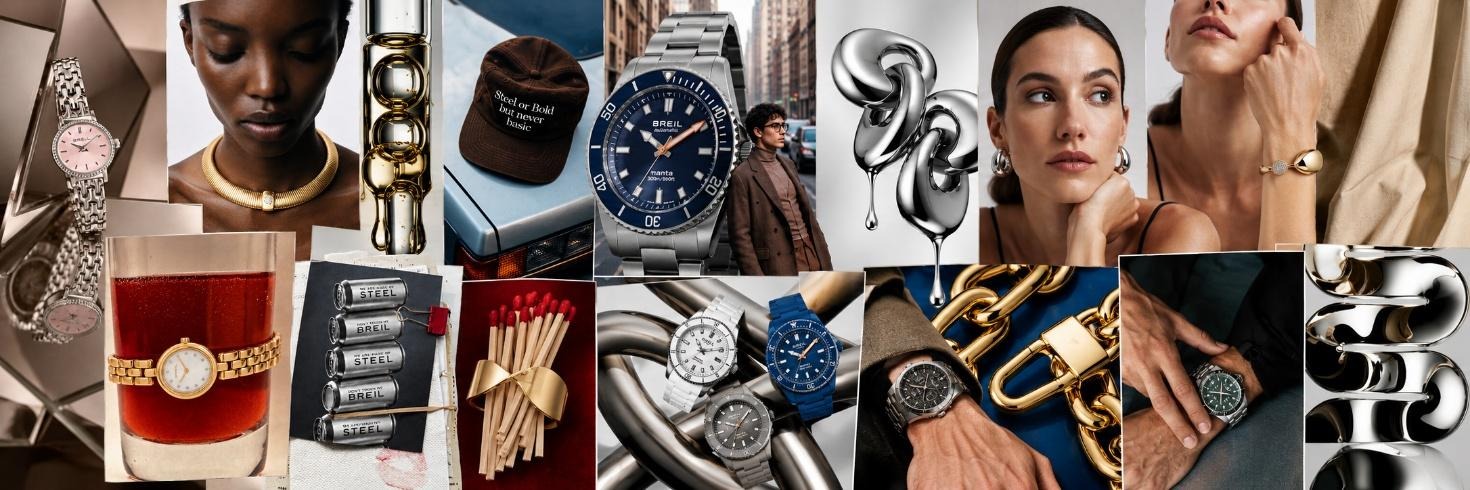
How a BREIL product is born: from the drawing to the wrist. It all starts with an idea.
It can arise from a suggestion, from an image, from a form encountered almost by chance, from a detail capable of turning on a new direction. This is how every BREIL product comes to life, even before a design exists. In Milan, the Creative Team gathers these insights and begins to transform them into something concrete: shapes, proportions, volumes, materials, details. It’s a journey of research, comparison, and precise choices, with one question that comes before all the others: what character should the new collection have?
From here every detail begins to count. A thinner case. A more decisive shirt. A curve that changes inclination. The contrast between a glossy and a satin surface. Even a single millimeter can change the balance of a product and how it is perceived once worn.
From the first concept we move on to 3D design, where intuition meets precision. The proportions are checked, the volumes defined, each element studied to understand whether that idea can really become an object. Then comes the prototype. And it’s one of the most important moments in the process, because this is where the project comes off the screen and meets reality. The product can finally be observed up close, held, tried on the wrist. We evaluate weight, ergonomics, proportions, and how light meets surfaces. And sometimes what seemed perfect in digital still asks to be corrected, lightened, accentuated.
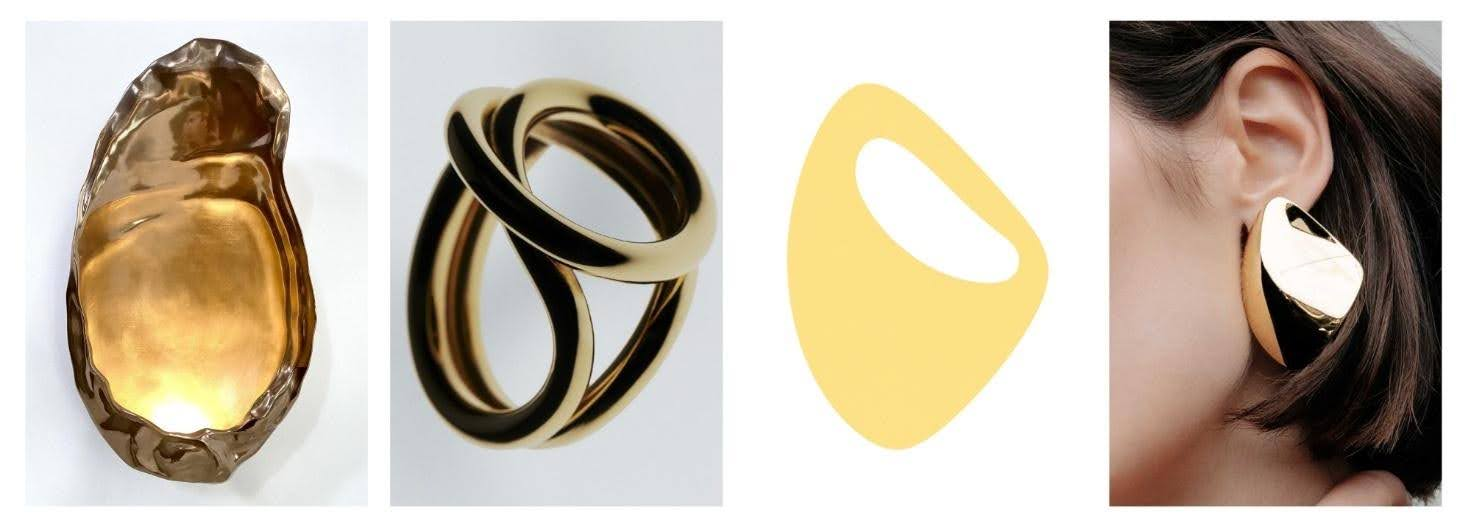
It’s in this ongoing dialogue between creativity and precision that BREIL design takes shape. Because a product doesn’t just have to look beautiful. It must have character. And it has to work the moment it enters the wearer’s life.
It can arise from a suggestion, from an image, from a form encountered almost by chance, from a detail capable of turning on a new direction. This is how every BREIL product comes to life, even before a design exists. In Milan, the Creative Team gathers these insights and begins to transform them into something concrete: shapes, proportions, volumes, materials, details. It’s a journey of research, comparison, and precise choices, with one question that comes before all the others: what character should the new collection have?
From here every detail begins to count. A thinner case. A more decisive shirt. A curve that changes inclination. The contrast between a glossy and a satin surface. Even a single millimeter can change the balance of a product and how it is perceived once worn.
From the first concept we move on to 3D design, where intuition meets precision. The proportions are checked, the volumes defined, each element studied to understand whether that idea can really become an object. Then comes the prototype. And it’s one of the most important moments in the process, because this is where the project comes off the screen and meets reality. The product can finally be observed up close, held, tried on the wrist. We evaluate weight, ergonomics, proportions, and how light meets surfaces. And sometimes what seemed perfect in digital still asks to be corrected, lightened, accentuated.
It’s in this ongoing dialogue between creativity and precision that BREIL design takes shape. Because a product doesn’t just have to look beautiful. It must have character. And it has to work the moment it enters the wearer’s life.
Why working steel is complex
Steel communicates strength and simplicity. Working it, it’s far from simple.
BREIL uses 316L stainless steel for its jewelry and numerous watch components: a corrosion-resistant, stable alloy suitable for everyday use. The same resistance that makes it reliable, however, also makes it technically challenging to transform.
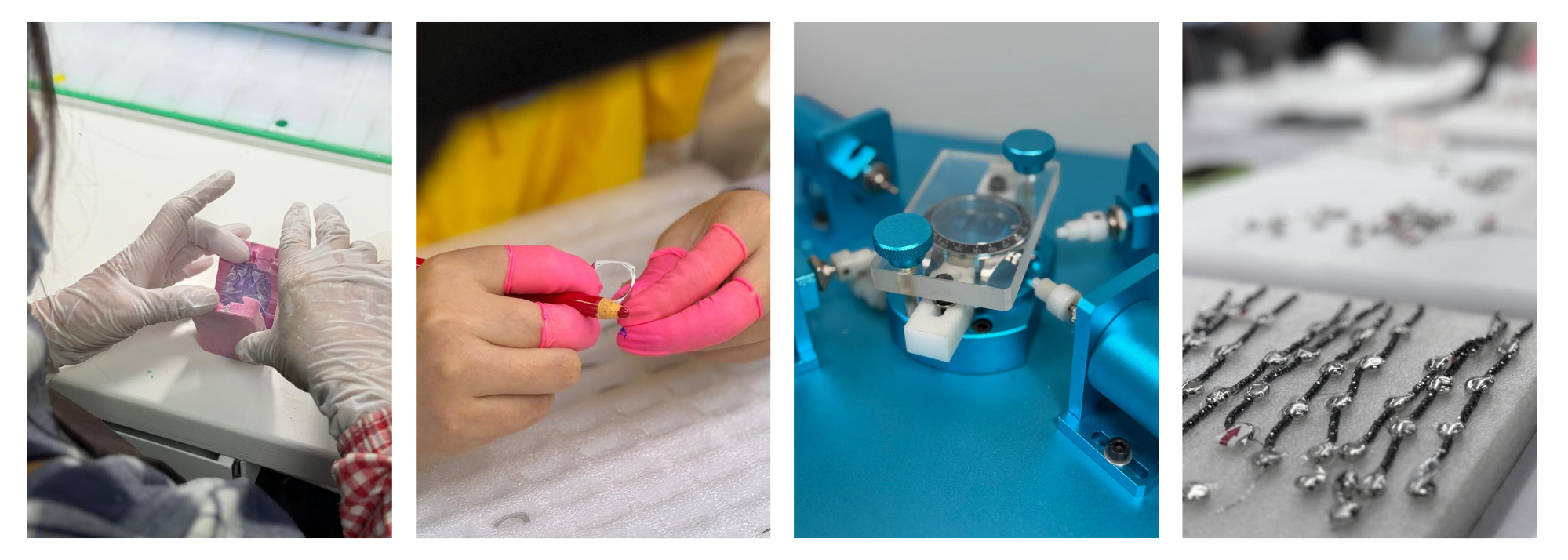
Precise curves, perfectly defined surfaces, facets, meshes, cases and small components require careful workmanship and specific skills. Techniques that also belong to the watchmaking and goldsmith tradition are used in the production of watches and steel jewelry: precision machining, polishing, satin plating, brushing, and surface control.
Because a surface is not just a finish. It’s part of the design.
A shiny area reflects light sharply. A satin finish creates more depth. A facet can completely change the way a volume is perceived. The result comes from the ability to design not only a shape, but also how that shape reacts to light.
BREIL and the choice of steel
Today, seeing steel in contemporary jewelry looks natural. When BREIL started using it as the jewel’s main subject, it wasn’t at all.
BREIL was the first company in Italy to introduce steel jewellery in a structured way into the channel of independent jewellers, helping to open up a new space in a distribution traditionally linked to precious metals. It wasn’t just a choice of material. It was a different way of interpreting the value of a jewel.
For those looking for an alternative, an essential band ring or a pair of simple cufflinks are practical and timeless options, suitable even for those who don’t normally wear jewelry, because they go more unnoticed than a flashy bracelet.
A value that depends not only on the preciousness of the material, but also on the quality of the workmanship, the design, the research on the shapes and the ability to create something recognizable.
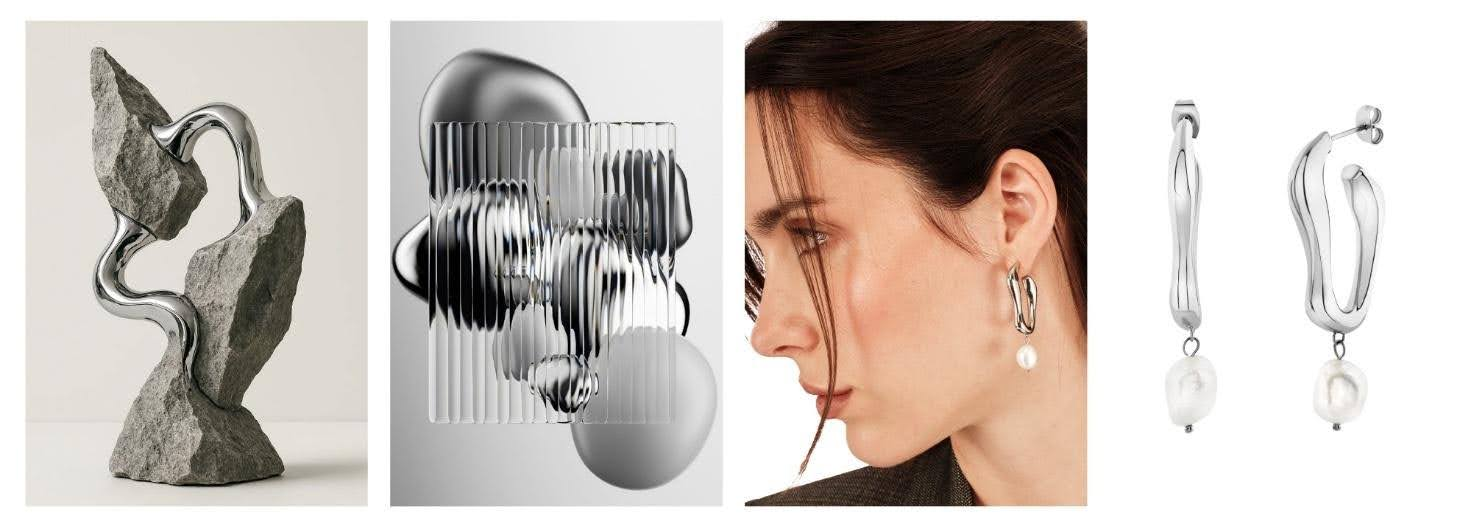
Steel also allowed for particular design freedom: significant volumes, sculptural surfaces, alternating finishes, moving elements, and constructions capable of bringing jewelry closer to the language of contemporary design. From technical matter, steel thus becomes for BREIL an instrument of expression.
A choice that over time has become one of the most recognizable codes of the brand, so much so that it has become the protagonist of the brand poster: We are made of Steel.

Since 1935, an Italian history of watches and design
This product culture is not born today. BREIL is an Italian watch and jewelry brand founded in 1935 in Milan and part of the Binda Group, an Italian company that has been operating in the watchmaking world for over a century.
A story that means experience on materials, technical knowledge, attention to proportions and a culture of precision. The Group’s watchmaking heritage has helped build an approach to the product in which aesthetics and function must coexist. This is the same method that BREIL has gradually transferred to the world of jewelry.
Over the decades, collections, languages, and the way style is interpreted have changed. The desire to create watches and jewelry with recognizable designs, capable of transforming technique and material into something personal, remained.
It is this continuity between heritage and contemporaneity that still guides each new BREIL collection today: a heritage of expertise that not only belongs to the history of the brand, but actually enters into the way each product is designed and created.










 MAGNETICA SYSTEM

